35 Years On: The Horror Masterpiece That Elevated the Genre in Hollywood's Eyes
Muhammad Kumar |Feb 15, 2026
Three and a half decades after its release, The Silence of the Lambs stands as a benchmark.
- Top 10 Cult Classic Movies with Body Horror for Spooktober
- A $750,000 Horror Movie Is About to Become One of the Most Profitable Films Ever Made
- Markiplier's 'Iron Lung' Horror Film Stuns with $18 Million Opening Weekend
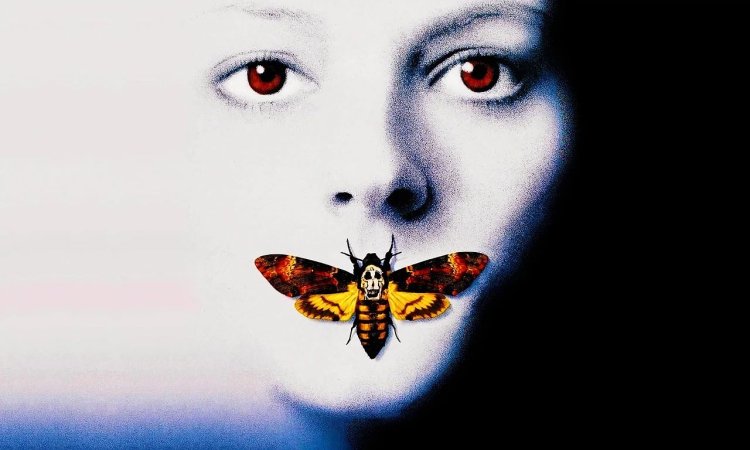
In the early 1990s, horror films were often relegated to the fringes of Hollywood. They were seen as low-brow entertainment, rarely taken seriously by critics or award bodies. Then came a film that shattered those preconceptions. Released on February 14, 1991, The Silence of the Lambs not only captivated audiences with its chilling narrative but also swept the Academy Awards in 1992. This victory marked a turning point, proving that horror could achieve artistic excellence and mainstream acclaim. Today, 35 years later, its influence lingers in how the industry approaches genre storytelling.
The Breakthrough Success
Before The Silence of the Lambs, horror movies had occasionally earned Oscar nominations, but none had claimed the top prize of Best Picture. Films like The Exorcist (1973) and Jaws (1975) pushed boundaries and garnered nods, yet they were outliers in a genre dominated by slashers and supernatural tales that prioritized shocks over substance. Directed by Jonathan Demme, The Silence of the Lambs adapted Thomas Harris's 1988 novel into a psychological thriller. It follows FBI trainee Clarice Starling, played by Jodie Foster, as she seeks insights from incarcerated cannibal Hannibal Lecter, portrayed by Anthony Hopkins, to catch a serial killer known as Buffalo Bill. The film's blend of tension, character depth, and thematic exploration of power dynamics set it apart.
The movie's success was immediate. On a modest $19 million budget, it grossed over $272 million worldwide, becoming one of the highest-earning films of 1991. Critically, it was praised for its performances, direction, and screenplay. At the 64th Academy Awards, it achieved the rare "Big Five" sweep: Best Picture, Best Director for Demme, Best Actor for Hopkins, Best Actress for Foster, and Best Adapted Screenplay for Ted Tally. This made it only the third film in history to do so, following It Happened One Night (1934) and One Flew Over the Cuckoo's Nest (1975). More remarkably, it remains the sole horror film to win Best Picture, a feat that underscored its genre-defying quality.
Lasting Influence and Legacy
This Oscar triumph fundamentally altered Hollywood's perception of horror. Previously dismissed as exploitative or unworthy of prestige, the genre began to be viewed as a vehicle for serious filmmaking. The Silence of the Lambs demonstrated that horror could incorporate sophisticated elements like psychological depth, strong female leads, and social commentary, influencing a wave of elevated genre films. In the years following, movies such as The Sixth Sense (1999), which earned six Oscar nominations, and Get Out (2017), which won Best Original Screenplay, echoed this shift by blending horror with broader themes. The film's focus on a capable female protagonist also paved the way for more nuanced roles for women in thrillers and horror, challenging the damsel-in-distress trope.
Beyond awards, the movie's cultural footprint is vast. It sparked a surge in interest in true crime and procedural dramas, inspiring series like Criminal Minds and Mindhunter. Hannibal Lecter became an iconic villain, spawning sequels, prequels, and a TV series. Yet, its legacy is not without controversy. Some critics have noted problematic portrayals, particularly regarding gender and identity, which sparked debates about representation in horror. Despite this, its impact on validating horror as award-worthy endures.
Three and a half decades after its release, The Silence of the Lambs stands as a benchmark. It reminded Hollywood that great storytelling transcends genre labels, encouraging filmmakers to push boundaries. As new horror films continue to vie for Oscar attention, this 1991 classic remains the gold standard for what the genre can achieve.
- Tag

Comments
Sort by Newest | Popular