Following a Week of Conflict, Trump Calls for Iran's Unconditional Surrender
Muhammad Kumar |Mar 07, 2026
For now, the fate of the region hangs in the balance, with millions caught in the crossfire of superpower ambitions.
- Trump Vows Retaliation for Deaths of U.S. Service Members as Combat Operations Persist
- Operation Epic Fury: America's Jaw-Dropping Masterstroke Crushes Iran's Regime Overnight
- Success Story Of KFC Founder Who Delivered Babies Before Hitting It Big At 62
In a dramatic escalation of tensions, President Donald Trump has demanded Iran's unconditional surrender just one week into what the White House describes as a defensive military operation against the Islamic Republic. The statement, delivered during a primetime address from the Oval Office, marks a stark turning point in the rapidly unfolding crisis that has gripped the Middle East and drawn international condemnation.
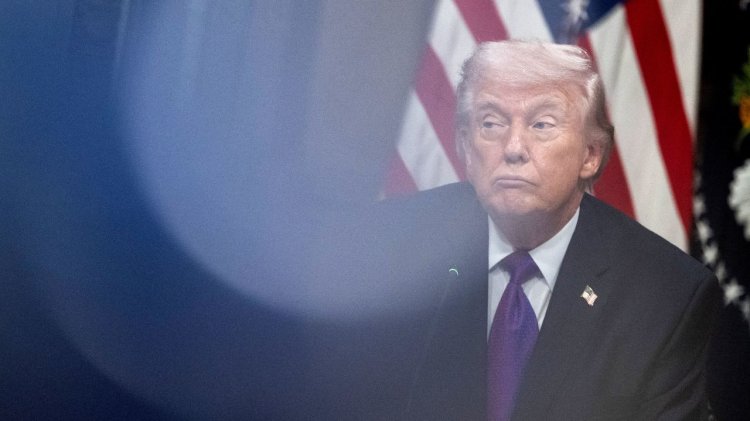
The conflict erupted on February 28, 2026, following a series of cyberattacks attributed to Iranian-backed hackers on U.S. infrastructure, including power grids in several states. Trump, who returned to the presidency after a contentious 2024 election, authorized airstrikes on Iranian military facilities in response. Over the past seven days, U.S. forces have conducted precision bombings, naval blockades, and drone operations, resulting in significant casualties on both sides. Iranian officials report over 500 deaths, while the Pentagon confirms 12 American service members killed in action.
"I ran started this fight, but we will finish it," Trump declared in his speech. "Their regime has terrorized the world for too long. Now, it's time for them to wave the white flag and surrender unconditionally. No negotiations, no deals, just total capitulation." The president accused Tehran of sponsoring terrorism, developing nuclear weapons in violation of international agreements, and threatening global oil supplies through attacks on shipping lanes in the Strait of Hormuz.
Reactions poured in swiftly from around the globe. European allies, including France and Germany, urged restraint and called for immediate ceasefire talks through the United Nations. "This rhetoric risks plunging the region into a broader war," said French President Emmanuel Macron in a statement. China and Russia, long-time supporters of Iran, condemned the U.S. actions as "imperialist aggression" and vowed to provide diplomatic and economic aid to Tehran.
Inside Iran, Supreme Leader Ayatollah Ali Khamenei rallied the nation in a televised address, vowing defiance. "The American bully will not break our spirit," he said. "We will resist until victory." Protests erupted in Tehran and other cities, with crowds chanting anti-U.S. slogans amid reports of heightened military mobilization.
The U.S. economy has already felt the ripple effects, with oil prices surging to $150 per barrel and stock markets tumbling. Analysts warn that a prolonged conflict could lead to a global recession. Humanitarian organizations, such as the Red Cross, have appealed for access to affected areas to provide aid amid fears of a refugee crisis.
As the world watches, questions loom over Trump's strategy. Critics in Congress, including some Republicans, argue that the demand for unconditional surrender echoes historical precedents like World War II but ignores modern geopolitical realities. "This isn't 1945," said Senator Elizabeth Warren. "We need diplomacy, not ultimatums."
The White House has not outlined a timeline for the surrender demand, but officials hint at further military escalation if Iran refuses.
- Tag

Comments
Sort by Newest | Popular